
Why a local business directory in the USA helps every blogger
Discover how a local business directory in the USA can boost visibility, connections, and practical insights for readers who cover local interests.

A local business directory in the USA can be a practical tool for writers who want context, contact points, and fresh angles for small enterprises. This explainer shows what such a directory does, why it matters to general readers, and how a blogger can use it without getting bogged down in technical details.
Directories help you quickly locate neighborhood shops, services, and events, saving time when drafting local features.
If you want to verify a shop’s hours, map a neighborhood trend, or plan a visit, a directory provides the basic, trustworthy starting point readers expect.
- A local business directory in the USA helps you find real places for your stories and verify basic details quickly.
- Use it to discover nearby shops, services, and events you can feature with confidence.
- Cross-check listings with business sites to ensure current hours, services, and contact information.
Basics of local business directories
What they list
Local directories catalog businesses by category, location, and service type, making it easier to discover options that fit a story angle. Use them to find nearby venues, suppliers, and service providers for your posts. local business directory in the USA
A directory can reveal patterns in a neighborhood’s offerings, such as common industries or gaps that deserve a feature.
For readers, that means you can present concrete, real-world examples rather than vague summaries.
- Identify three nearby shops related to your topic
- Note opening hours and contact options
- Check customer reviews for common themes
Why it matters to readers
Readers want tangible context they can use, not abstract ideas. A directory provides businesses’ basics—location, services, and contact—so readers can follow up on something they find interesting.
By grounding a story in real places, you help readers picture what you describe and decide whether a visit is worthwhile.
This practical approach makes your writing more credible and actionable for a general audience.
How to use a directory effectively

Best search practices
Start with a clear keyword and your target radius. Narrow results by category, then check individual listings for hours, price ranges, and photos. Legal Newser news
Save noteworthy listings in a notes file to compare options later.
Avoid relying on a single listing—cross-check with the business’s own site for the latest details.
- Use precise categories like ‘bakery’ or ‘community center’
- Filter by distance to your location
- Record one unique detail per listing
Turning listings into stories
A listing can spark ideas for a feature, interview, or photo essay. Start with a listing’s standout detail, then build a narrative around it.
Include practical takeaways for readers, like how to visit during off-peak hours or what to expect in terms of services.
Explain why the place matters to the local scene, not just its price or size.
Options for where to find directories
Public directories
Many cities publish official directories that cover licensed services, safety standards, and community events. They are useful for verifying basic facts and dates. get your event listed in the USA
Public listings tend to be stable and community-focused, which helps when you need a broad overview.
Use them as a starting point to assemble a short list of reliable candidates for a feature.
- Check city or county portals for official listings
- Look for events calendars within the directory
- Note any required permits or notices that affect coverage
| Option | Pros | Cons |
|---|---|---|
| Public directories | Broad, official data | Can be slower to update; may lack niche details |
| Industry-specific directories | Deeper insights, targeted audience | Smaller coverage area; may require membership |
| Local business listings | Strong local relevance | Quality varies by city and source |
Industry-specific directories
Some sectors maintain niche directories that emphasize quality and standards. They can help you reach informed readers with targeted angles.
Use these sparingly to avoid over-narrowing your content, but they’re excellent for depth on a chosen topic.
Always corroborate with the business’s own materials for accuracy and tone.
Take notes on inconsistent information and fix it before you share the resource publicly.
Practical pitfalls to avoid
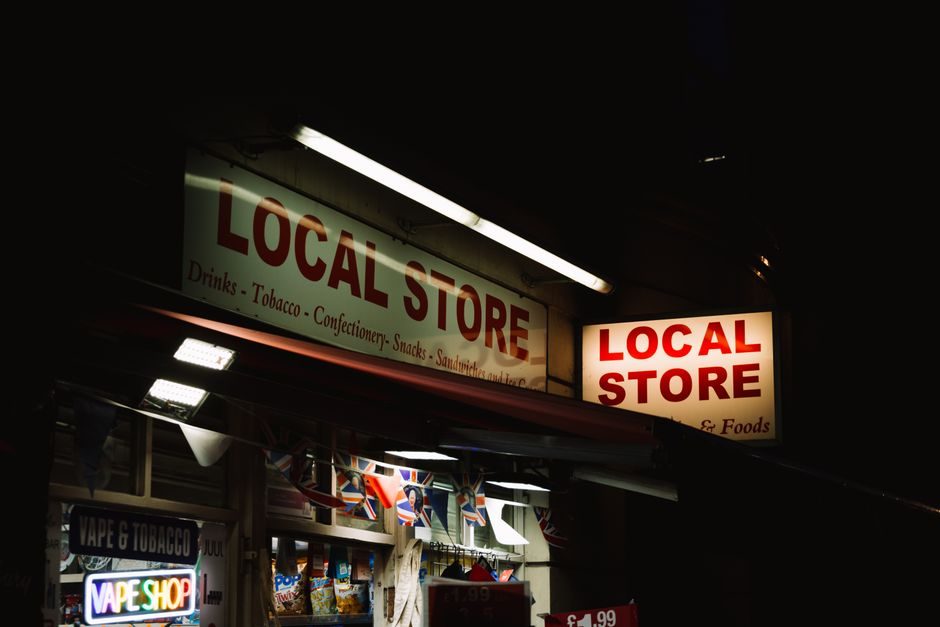
Common listing errors to spot
A misleading name or incorrect category can misdirect readers and waste your time. Start by auditing existing listings for consistency across key fields like address, phone, and website. Small errors compound quickly, making your blog appear unreliable to local readers. local job listings in the USA
These mistakes inflame distrust and reduce traffic to your site. Take notes on inconsistent information and fix it before you share the resource publicly. A clean directory listing signals professionalism and improves search visibility for your posts.
To avoid repeating problems, keep a running checklist: verify every field, update seasonal changes, and periodically recheck listings after any site changes. Regular maintenance pays off with steadier referrals and better reader trust.
- Verify business name and category
- Check address and phone for accuracy
- Test links before publishing
- Schedule quarterly rechecks
Tips for better listings
Crafting clear directory entries
Start with a concise business description that matches what readers search for. Include a practical benefit in the first sentence, followed by a quick list of services and a link to your site. Clarity reduces reader friction and boosts engagement. place a death notice in the USA is a phrase that sometimes appears in obituaries and local listings, and bloggers should consider how directories handle sensitive terms.
Use consistent formatting across all listings to make scanning easy. Follow a standard order for name, address, phone, hours, and website, and avoid jargon that might confuse casual readers.
Regularly update hours, services, and contact options to reflect changes in your business. A fresh entry signals reliability and encourages repeat visits from your audience.
- Lead with reader-focused benefits
- Maintain formatting consistency
- Update critical details promptly
How to verify listing accuracy

Cross-checking information
Verification begins with a trusted source: compare what you publish against official profiles on the business owner’s site and other reputable directories. Look for mismatches in hours, phone numbers, and geographic areas served. Correct discrepancies before publishing widely.
- ☐ Record initial data
- ☐ Note the source of truth
- ☐ Log every update
- ☐ Retain historical versions
Use a two-step verification process: confirm via a direct contact method and then validate with a second independent source. This reduces the chance of propagating outdated data.
Document every change you make with a timestamp and reason. This audit trail helps if readers report errors and supports future updates.
- Compare multiple sources
- Confirm via direct contact
- Log changes with dates
Ethical considerations when citing directories
Crediting sources responsibly
Before citing a directory, check its terms of use and any licensing restrictions. Do not scrape or reproduce data beyond what is allowed, and give readers a clear sense of the directory’s role and limitations.
Be transparent about biases: some directories favor larger businesses or specific regions. Acknowledge these dynamics so readers understand why a listing appears a certain way.
Where possible, provide direct links to official pages and avoid implying endorsements you don’t control. A straightforward, honest approach builds trust with your audience.
- Check terms of use
- Disclose potential biases
- Provide official links
Frequently asked questions
Are local directories still useful for bloggers?Yes. They help locate nearby services and verify local context for readers. When used carefully, directories can improve relevance, aid outreach to local businesses, and provide a framework for credible local reporting.
How should I handle outdated listings?Flag entries that no longer reflect a business, note the date of the update, and remove the listing if necessary. Provide a brief explanation to readers so they understand the change.
Can I cite multiple directories in one post?Yes, but keep the focus on accuracy and usefulness. Compare key details across sources and point readers to the most reliable profile or the business’s official site.
What counts as a credible directory source?Credible sources are those with clear ownership, transparent updates, and verifiable information. Prefer directories that allow direct business verification and provide official links.
Practical next steps for readers
Review any local directory you plan to cite for accuracy and consistency before publishing.
Identify one directory in your area to test with a small post, then expand if it proves useful to your audience.
Keep a simple audit log so you know when you last checked a listing and what changed.
Share readers’ feedback on listings to keep content honest and dynamic.

Add Bloggerbux as a preferred source on Google


