
How to use Deutschland Nachrichten for broader blogging sense
A practical guide for general readers: how to access Deutschland Nachrichten and incorporate it into everyday blogging without hype or jargon.

You want reliable, clear information from Germany without getting overwhelmed. This guide shows how to find trustworthy Deutschland Nachrichten stories, assess their relevance, and weave them into posts that inform and engage a wide audience. Expect practical steps, concrete examples, and straightforward cautions about sources and tone.
Germany’s news landscape can feel dense to non-specialists. We’ll translate key ideas into actionable steps you can apply today to your own blog or newsletter, whether you cover politics, culture, or local events.
By the end, you’ll know where to look, how to check credibility, and how to cite German news in a way that adds value for readers who don’t speak the language.
- Begin with credible German outlets and English digests to build trust. Use translations carefully and provide background when needed. Cite German stories by linking to original sources and adding plain-language context.
- When you reference Deutschland Nachrichten, include a short explainer that ties to your topic. Maintain neutral tone and check for multiple viewpoints.
- Craft posts that connect German news to everyday concerns, not just headlines. Keep a steady workflow, watch for bias, and offer bilingual support as needed.
Foundations for consuming German news
Where to start for beginners
Begin with broad, reputable outlets that publish in German and English summaries. Look for editorial standards, corrections policies, and a clear authorship trail. Start by reading a daily or weekly digest to build familiarity with common terms and core topics. Deutschland Nachrichten should be your starting point for German reporting in English or plain German.
- Prioritize credible outlets
- Watch for corrections
- Build a simple reading routine
This base helps you filter noise and identify recurring themes such as policy shifts, elections, or social issues that affect businesses and individuals. Note any regional biases or supply-chain mentions that could color reporting.
- Choose outlets with transparent sourcing
- Check date stamps on articles
- Cross-check with a second source
- Avoid anonymous tips as primary evidence
- Track a few trusted reporters over time
Selecting reliable translations
If you rely on translations, compare several versions to catch nuance lost in translation. Prefer outlets that publish original text alongside summaries. Use glossaries for common terms to maintain meaning when you write.
Translation quality affects reader trust; a precise term can change an entire paragraph’s intent. Keep a note of terms you had to look up and reuse them consistently in your posts.
Be mindful of tone: translations can soften or intensify language, which may mislead readers about a story’s stance.
- Compare multi-source translations
- Prefer originals when possible
- Use consistent terminology
- Keep notes on key terms
- Cite translated sources carefully
How to find relevant German stories

Choosing topics that matter
Focus on stories with clear impact on your audience, such as consumer issues, local business news, or cultural events with international relevance. Link these topics to familiar frameworks like budgets, jobs, or travel. This helps readers connect German reports to everyday life. Was ist los in Deutschland often shapes stories that affect daily life and business decisions.
- ☐ Identify audience impact
- ☐ Find corroborating sources
- ☐ Draft a clear lead
Select stories that have enough depth for your post without requiring specialist knowledge. A domestic example can illuminate broader trends without overwhelming non-German readers.
Avoid niche items that only specialists would understand; you want broad resonance rather than pure novelty.
- Identify impact on readers
- Relate to everyday life
- Aim for clear takeaway
- Prefer widely reported stories
- Note any German terms that need translation
Using Deutschland Nachrichten in posts
Embed short, direct quotes with context, and paraphrase longer passages to preserve meaning for readers. Provide background that ties the news to your topic, avoiding sensational framing. End with a concrete takeaway or question for readers.
When you mention a story, include a quick explainer in plain language so non-German readers grasp the significance. Link to a neutral source for readers who want more depth.
Maintain a neutral tone and avoid overstating effects; present what happened, what it means, and why readers should care.
- Quote sparingly
- Provide plain-language context
- Link to credible sources
- End with a concrete takeaway
- Keep a neutral tone
Potential pitfalls to avoid
Common bias traps
Be aware of how headlines pull readers in. Headlines can exaggerate or mislead when context is missing. Double-check the body of the article before sharing or citing it in your own post. lokales Branchenbuch in Deutschland can be a helpful reference when you need local-specific context.
Look for multiple viewpoints on a topic rather than a single narrative. If you only see one perspective, search for additional sources before writing.
Recognize sponsored or paid content that masquerades as news; disclose any affiliations in your post to maintain trust.
- Avoid sensational headlines
- Seek diverse perspectives
- Disclose sponsorships
- Cross-check facts
- Maintain reader trust
| Approach | Pros | Cons |
|---|---|---|
| Direct quotation | Clear source voice | Long quotes can overwhelm readers |
| Paraphrase with context | Smoother reading | Risk of misinterpretation without accuracy |
| Neutral summary | Broad accessibility | May miss nuance for experts |
Avoiding overreliance on one language
When your readers span language abilities, choose stories with straightforward reporting and practical implications. Offer translations or glossaries for key terms to help non-native speakers follow along. Balance the German original with an English-friendly summary.
If a German headline seems striking, resist the urge to paraphrase it as a sensational claim. Restate the core facts clearly so readers aren’t misled by phrasing.
Consider regional variations in Germany that might affect a story’s relevance to international audiences.
- Provide bilingual support when possible
- Reframe headlines into plain language
- Summarize key facts clearly
- Highlight practical implications
- Acknowledge regional nuances
Draft a short teaser in your notebook so you can plug a German story into any post later.
Practical tips for ongoing use

Create a simple intake workflow
Set a weekly routine to scan one or two trusted German outlets and one English digest. Save links and tag by topic—politics, economy, culture—for quick retrieval when you write. This keeps your process efficient and repeatable. Gebrauchtes zu verkaufen in Deutschland stories can provide practical angles on consumer markets and regional trends.
- Topic tagging
- Monthly review
Draft a short teaser in your notebook so you can plug a German story into any post later. A clear hook saves time and keeps your voice coherent.
Review your notes monthly to remove outdated items and refresh your understanding of ongoing topics.
- Scan trusted outlets weekly
- Tag topics for easy recall
- Draft hooks for future posts
- Review and prune routinely
Plan a brief series that connects German news to universal concerns like work, travel, or culture. A series approach helps readers see patterns rather than one-off items. Build a backlog of ideas so you’re never stuck between posts.
Use German news to illustrate process—how journalism handles issues, how data is presented, and how bias can appear. This meta-view enriches your readers’ media literacy.
Aim for accuracy, clarity, and usefulness in every post, resisting the urge to chase hot takes or sensational angles.
- Develop a series
- Illustrate journalism techniques
- Prioritize accuracy and usefulness
- Avoid hot takes
- Maintain steady routine
Tips and tricks for readers
Practical reading habits for news
Start with a quick scan of headlines to gauge topic relevance, then read the lede to confirm the angle. This saves time and helps you decide which articles deserve deeper reading. Pair be mindful of biases by noting the source’s typical framing and cross-checking with related coverage. Todesanzeige veröffentlichen in Deutschland
To extract value, note dates, locations, and key figures mentioned. This helps you build a mental map of how events unfold across outlets. Use a notebook or app to capture 2–3 takeaways per article, so you can reference them later when writing.
If you encounter unfamiliar terms or places, pause to look them up, then return to the article with context. This prevents misinterpretation and strengthens your own summaries for readers.
- Scan headlines first
- Read the lede for angle
- Cross-check with related coverage
Tools and sources to bookmark

Reliable German news sources
Begin with a core set of outlets to avoid echo chambers, then add regional or topic-specific sites for depth. Note which outlets tend to emphasize fact-based reporting over opinion. This balance helps you present well-rounded context to readers.
- List 4 core sources
- Create topic folders
- Tag by reliability
- Review weekly
When bookmarking, tag sources by reliability, region, and topic. Create folders like national, regional, business, science, and culture. This organization speeds up research during busy writing churns.
Test access regularly; some sites limit free articles. If a paywall blocks essential pieces, look for neutral summaries from other outlets or official press releases to stay informed.
- National outlets to track
- Regional German sites
- Topic-specific blogs
- Official press releases
Ethical guidelines for citing foreign news
Citing foreign sources responsibly
When you quote or reference foreign reporting, clearly attribute the outlet and date of publication. Provide readers with enough context to assess reliability without endorsing a single viewpoint. This transparency builds trust with your audience.
Avoid cherry-picking details that fit your narrative. If a source presents a controversial claim, summarize the core facts first and then describe how different outlets framed it. This helps readers see bias and form their own judgments.
Consider translations carefully; misinterpretation can creep in if terms don’t capture the original nuance. Use parallel summaries in your own words and include the original wording when it adds precision.
- Attribution with outlet and date
- Summarize core facts first
- Explain framing differences
- Be careful with translations
A quick glossary of terms
Key terms for readers
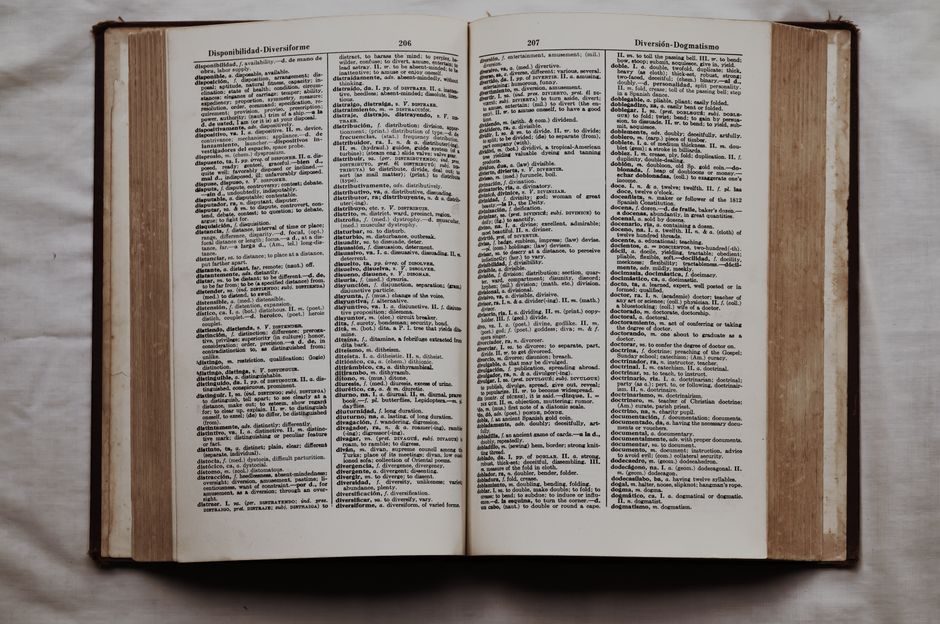
Create a small glossary you can reference while reading German news. Include terms like ‘Lagebericht’ (situation report) and ‘Berichterstattung’ (reporting) with plain English explanations. This helps non-German readers grasp articles faster without slowing down your writing process.
Use the glossary as a reader-facing tool in your posts too, linking to brief definitions when you reference specialized concepts. This lowers friction for casual readers who want a clearer picture fast.
Revisit and expand your glossary as necessary; language evolves, and new terms appear in tech, politics, and culture. A living glossary keeps your content accurate and accessible.
- Create a short starter list
- Include translations
- Link to definitions in posts
- Update periodically
Frequently asked questions
What should I read first when exploring Deutschland Nachrichten?Start with a balanced mix of headlines and the lede, then read deeper into a few stories that cover different angles. This helps you understand how events are portrayed across outlets.
How do I verify an article’s accuracy quickly?Compare facts with at least one other reputable source and check the publication date. Look for corroborating details like quotes, figures, and location specifics.
Can I use foreign reporting in my own posts without issues?Yes, as long as you attribute properly, summarize responsibly, and avoid overstating the source’s conclusions. Present the context and note any framing differences.
What if a story lacks enough information?Collect background information from related articles and official statements, then acknowledge gaps in your coverage and invite readers to share credible updates.
Final takeaways and next steps
Using Deutschland Nachrichten can expand a blogger’s perspective without sacrificing clarity. Start with a solid set of sources, build a glossary, and cite ethically to earn reader trust.
Make it a habit to compare multiple outlets and provide balanced recaps that connect global events to everyday readers. A consistent routine reduces guesswork and strengthens your voice.

Add Bloggerbux as a preferred source on Google


