
How to list your event in the USA effectively
A practical guide for bloggers: how to list events in the USA, pick the right platforms, and avoid common pitfalls while reaching a broad audience.

If you want your event to reach more readers, you need a clear, practical plan for listing it in the USA. This guide shows how to pick the right platforms, craft the right description, and track what works. You’ll learn why timing and accuracy matter and how to avoid common listing mistakes.
First, identify your goal: audience reach, ticket sales, or awareness. Then choose listing sites that match that aim and your event type. Finally, write concise, compelling copy and include essential details like date, venue, and cost.
By following these steps, you’ll build a straightforward, repeatable process for event listings. This makes it easier to promote future events and measure what brings readers in.
- List your event in the USA on appropriate platforms with consistent details.
- Craft a concise, reader-friendly listing with essential information and a clear CTA.
- Plan timing, updates, and visuals to keep readers engaged over weeks.
- Avoid jargon, verify pricing and accessibility, and track what works.
Basics of event listings
Choosing the right platform
Start with platforms that cater to your audience and event type. Local calendars work well for community events, while niche sites suit specialized topics. Test a mix to see where engagement is strongest. Always ensure your event details are uniform across platforms. list your event in the USA is the first step to reaching readers who plan ahead.
Consistency helps readers recognize your event quickly. Use the same title, date format, and price language on every listing. If a platform supports tags, pick a few that describe the event accurately.
Document where your event is listed and monitor any updates. Keeping records reduces confusion and ensures readers see the latest information.
- Match audience to platform
- Keep details uniform
- Track-listed locations
Crafting the core listing
Your listing title should quickly convey what, where, and when. Include the city and date to help readers decide fast. The description can add context, but keep it brief and scannable.
Include essential details: time, location, ticket price, and a purchase link. If space allows, add a short value proposition that explains why the event matters to readers. Avoid jargon that might confuse non-experts.
Preview the listing on mobile devices to ensure it reads well in small spaces. Double-check contact details and any accessibility notes before publishing.
Planning and timing
Scheduling smartly
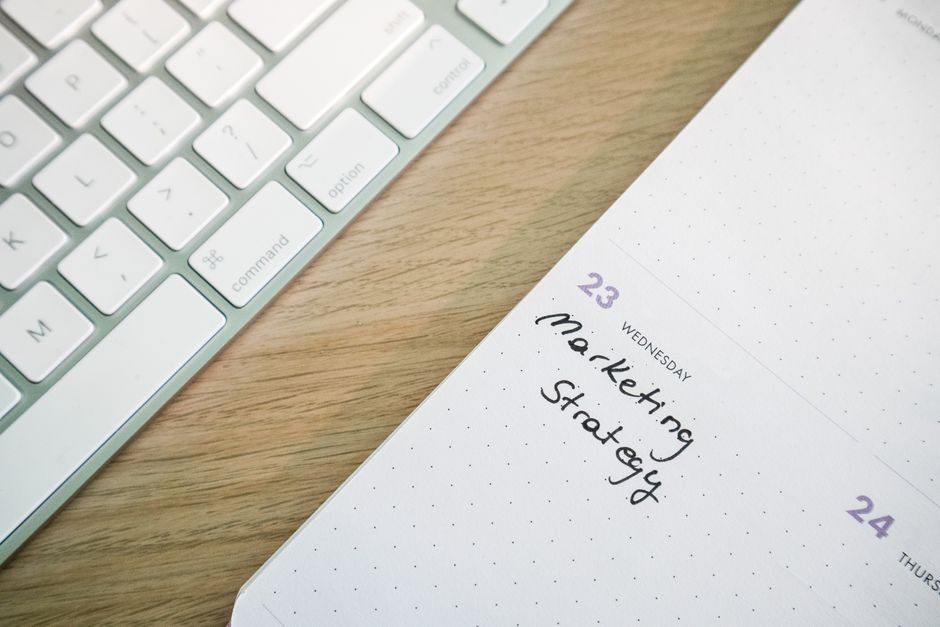
Choose a publication date that aligns with typical reader planning cycles. Avoid posting too close to the event, which reduces visibility. A multi-week window often yields steady traffic and ongoing reminders. Medical Facts latest news helps readers stay informed about health topics related to events.
Coordinate with any other promotional content on your site to avoid overlap. If you publish multiple posts, space them out to keep readers engaged. Consider a reminder post as the event approaches.
Keep a simple calendar for deadlines and updates. A clear timeline prevents last-minute rushes and ensures you stay on track.
Leveraging media and updates
Add useful media such as an event banner or a map showing the venue. Visuals help readers grasp the event at a glance. Update media if plans shift, to avoid outdated information.
Post new angles over time, like speaker highlights or venue previews. These updates can revive interest and offer fresh reasons to click.
Track reader responses from each update to learn what resonates. Use those insights to refine future listings.
- Use clear visuals
- Provide venue map
- Monitor reader responses
Optimization and safety
Ensuring accuracy
Verify every detail before publishing. Even small errors can deter readers or upset event organizers. A quick checklist helps catch mistakes early. add your business listing in the USA makes it easier for attendees to find services nearby.
- Confirm date and venue
- Double-check prices and links
- List accessibility options
Use consistent price language and currency. If discounts exist, explain terms clearly and show the final amount clearly. Readers appreciate transparent pricing.
Provide accessibility notes and contact options. Clear paths for questions reduce uncertainty and improve trust.
- Check dates, venue, price
- Clarify discounts
- Offer easy contact methods
| Option | Pros | Cons |
|---|---|---|
| Platform A | Wide reach; simple setup | Generic audience; limited niche appeal |
| Platform B | Targeted audience; good for events | Smaller base; slower discovery |
| Platform C | Strong local visibility; easy updates | Requires ongoing content to stay visible |
Avoiding common pitfalls
Don’t overload listings with unused jargon or long descriptions. Readers skim, so keep essential details first. Too many links can distract and reduce trust.
Avoid duplicating content across platforms; tailor each listing to fit the site’s format. Consistent, relevant updates outperform generic posts.
Be mindful of deadlines and changes. Promptly remove or revise outdated listings to prevent confusion.
Publish a quick recap after the event with photos or reader quotes.
Promotional options and impact

Cross-promotion opportunities
Coordinate with related events or topics on your blog to create joint listings. Cross-promotion can expand reach without extra spend. Ensure the collaboration feels natural to readers. advertise a job vacancy in the USA can broaden the event’s support network and attract volunteers.
- Partner with a related topic
- Include a clear CTA
- Tailor messages to readers
Use newsletter shout-outs to remind subscribers about the event. A concise note with the listing link can boost clicks. Tie the message to a clear reader benefit.
Engage with local groups or clubs that align with your topic. Their audiences may be receptive to a relevant event listing.
- Joint listings with related events
- Newsletter reminders
- Local group outreach
Maintaining momentum post-listing
Publish a quick recap after the event with photos or reader quotes. It reinforces memory and invites future readers to engage. Link back to the listing for continuity.
Update the site with any follow-up content, such as speaker notes or highlights. Readers appreciate a full picture, not just the event date.
Archive older listings in a dedicated page to keep your site tidy and searchable. A clear archive helps readers find past events later.
Choosing a platform mix
Selecting primary channels
Start by identifying platforms that align with your event type and audience. Compare free vs. paid options and consider where your readers are most active. Choose a small set to begin, then expand as results improve. death notices in the USA
For each platform, note how events are organized, the required details, and any verification steps. This helps you tailor your listing to fit the format exactly.
Keep a record of performance: clicks, RSVPs, and saves. Use this data to decide whether to invest more in that channel or move on to alternatives.
- Identify niche sites relevant to your topic
- Check whether listings stay visible without heavy fees
- Evaluate the user base size and engagement
- Plan a staggered launch to measure impact
Synergy between channels
Link your event details across platforms to create a cohesive message. Consistent dates, times, and descriptions reduce confusion and build trust. Cross-promotion helps audiences discover the event from different entry points.
Use platform-specific features to extend reach. For example, add a visually rich cover image on one site and a concise bullet list on another.
Schedule posts so updates appear at different times of day, increasing the chance someone will notice them during peak reading periods.
- Coordinate titles and images for consistency
- Leverage platform prompts for optimised formatting
- Stagger postings to avoid redundancy
- Track where registrations come from to refine strategy
Content and reader signals

Crafting clear event descriptions
Write a concise summary that answers who, what, when, where, and why. Readers skim, so front-load key details. A crisp lead helps them decide to read further or register.
Follow with practical information like entry requirements, accessibility, and what attendees should bring. Anticipate common questions and address them upfront.
Close with a direct call to action and a reminder of the date and venue. Clear next steps reduce hesitation and improve conversions.
- Lead with essential facts
- Anticipate FAQs in the body
- Include a straightforward call to action
Visuals that support credibility
A strong image set reinforces trust. Use a clean hero image and supporting photos that show the venue, speakers, or activities. Avoid overly busy graphics that distract from the core message.
Alt text matters for accessibility and discovery. Write descriptive alt text that mirrors what a reader would learn from the image.
Test different images to see which visuals most often prompt clicks and RSVPs.
- Choose authentic, non-stock visuals when possible
- Include alt text with each image
- Monitor image performance and adjust
Measurement and tweaks
Setting clear metrics
Define what success looks like for your listing: clicks, saves, and registrations. Establish a simple baseline and track changes over time. Avoid chasing vanity numbers that don’t correlate with attendance.
- ☐ Clicks and RSVPs per listing
- ☐ Saves and shares as engagement indicators
- ☐ Registration conversion rate
Use a consistent time window to compare performance across platforms. This helps identify which channels reliably drive real interest.
Review the content every few weeks and adjust headlines, timings, or images based on what readers respond to.
- Set specific targets for each metric
- Compare performance by platform
- Iterate based on reader response
Tweaks that improve results
Make small but meaningful updates rather than sweeping changes. A sharper headline or improved venue detail can lift clicks more than a broad redesign.
Test one variable at a time to identify what moves performance. Change the image, then the lead sentence, then the call to action.
Document changes and outcomes so future iterations are faster and more predictable.
- A/B test one element at a time
- Keep a changelog of updates
- Prioritize changes with the strongest signal
Advanced listing tactics
Leveraging partnerships
Partner with local venues, sponsors, or community groups to broaden reach. Co-hosts can share listings, email blasts, and social posts to widen visibility.
Provide partners with ready-made copy and visuals to ensure consistent messaging. Clear assets reduce friction and speed up promotions.
Track partner-driven registrations to understand which collaborations perform best and refine future agreements.
- Choose partners with aligned audiences
- Supply ready materials for easy sharing
- Measure impact by partner source
Optimizing for mobile readers
Many readers discover events on phones. Keep descriptions short, with scannable sections and bullet lists. Ensure registration flows are mobile-friendly and fast.
Avoid long paragraphs in the lead. Use bolded phrases to guide skimmers to essential facts.
Test page speed and readability on multiple devices to prevent bounce rates from eroding interest.
- Design for thumb-friendly navigation
- Use concise bullets for essentials
- Check mobile load times regularly
Frequently asked questions
Do I need a paid listing to get visibility?Most readers find that free listings deliver basic visibility and can work when paired with clear descriptions and images. Paid options often boost exposure, but success still hinges on relevance, timing, and a strong call to action.
How soon should I publish before the event?Publish listings well in advance to give readers time to plan, then refresh them as details settle. A mid-cycle update can capture late planners without confusing early registrants.
What details should I always include?Always state the event title, date, time, venue, and registration steps. Mention accessibility notes, ticket ranges if applicable, and any needed gear attendees should bring.
How do I judge whether a listing is working?Look at the combination of clicks, saves, and registrations. Track where registrations come from and compare performance across channels to identify what to repeat or stop.
Next steps for listing success
With the right mix of platforms and clear, reader-friendly content, your event gains stronger visibility and better audience resonance. Start small, measure the response, and adjust quickly to keep momentum.
Apply the tweaks that show the clearest lift—especially in headlines, images, and the registration path. The fastest gains come from disciplined, repeatable changes rather than a full redesign. Take two small actions this week and monitor the impact over ten days.

Add Bloggerbux as a preferred source on Google


