
How to find avisos de defunción en Madrid without confusion
A clear, practical guide to locating avisos de defunción en Madrid, what they mean, and how to use them responsibly for readers seeking reliable information.

If you need information about avisos de defunción en Madrid, this guide shows you where to look, what the notices mean, and how to verify details. You’ll learn the difference between official notices and notices you may see in local media, plus practical steps to find accurate records. The aim is to help readers navigate a sensitive topic with care and due diligence.
This article uses plain language and concrete steps so readers can locate official schedules, contact points, and public notices quickly. It avoids hype and sticks to what matters: reliable sources, dates, and verification processes. By the end you’ll know what to search for, what to expect, and how to handle information respectfully.
Knowing where and how to check defunción notices reduces confusion during a difficult time. The steps below apply to general readers who want clear guidance rather than jargon. Expect practical tips that clarify filing rules, accessibility, and common mistakes to avoid.
- This guide helps readers locate and verify avisos de defunción en Madrid from official sources, avoiding rumors. It explains where to find notices, how to confirm authenticity, and how to share information responsibly. Practical steps cover sources, verification, and respectful handling of sensitive details.
- You’ll learn the difference between public notices and media reports, plus how to use the information for tasks like probate planning or service attendance. The steps emphasize accuracy, privacy, and official channels. The result is a clear framework for responsible information gathering.
- By following the outlined approach, readers avoid common pitfalls, such as relying on unverified posts or sharing excessive personal data. The emphasis remains on official sources, careful verification, and respectful communication.
Basics of public notices
Why notices exist
Public notices serve to inform the community about deaths that affect public records, legal matters, and local services. They help family, friends, and agencies stay informed with timely, official information. Understanding this purpose prevents misreading informal sources. avisos de defunción en Madrid are posted by local authorities and should be the starting point for any search.
- Official sources matter most
- Dates help verify relevance
- Always cross-check with the issuing authority
The notice can appear in different formats, including official gazettes and municipal bulletins. Look for sources that clearly show a date, a name, and an authoritative body responsible for the notice. This reduces the chance of following unverified rumors.
A practical approach is to confirm the notice with the issuing authority before acting on it, especially when planning services or attending memorials.
- Check the issuing organization
- Note the date of publication
- Compare with other official records
- Avoid relying on social media posts
Where to start your search
Begin with municipal or regional portals that publish death notices. These sites typically list notices by date or neighborhood, making it easier to scan quickly. Starting here saves time and reduces confusion.
Next, check civil registry or parish records if the notice references a legal process or a probate matter. These records may require a formal request or verification.
If you see a notice in the press, use it only as a lead and confirm it with an official source before sharing details publicly or contacting families.
How to verify information
Confirm the source
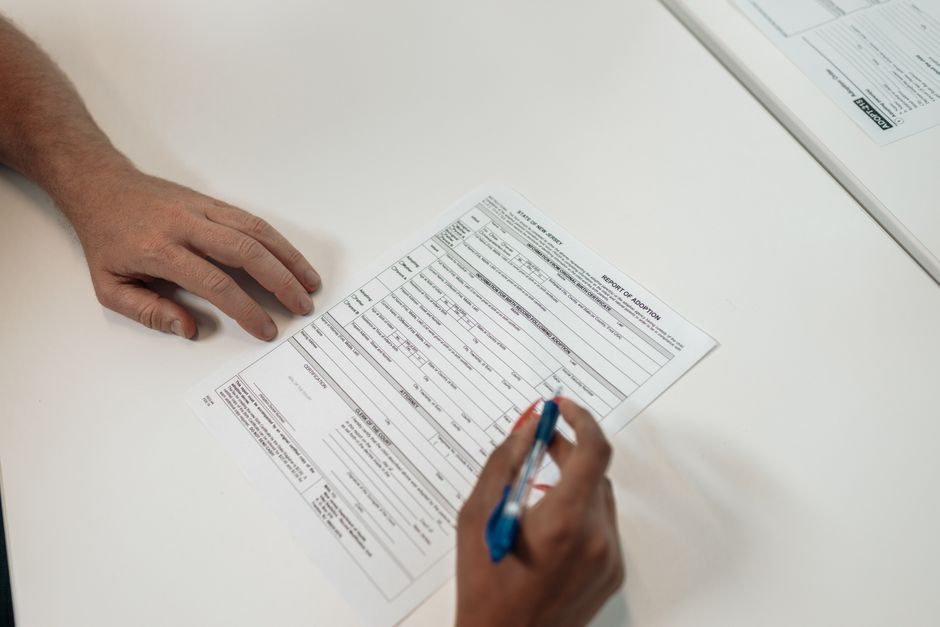
Always identify the issuing authority first—municipality, civil registry, or licensed funeral service. Official contact details are usually listed on the notice itself. This step prevents mistakes from secondary reports. Madrid Live noticias provide quick updates but require verification against official records to avoid misinformation.
Call or email the authority and ask for confirmation of the notice’s authenticity, dates, and any related actions. Document the responses for your records.
Next, compare the notice with other public records or obituaries from reputable outlets to ensure consistency. Discrepancies deserve extra scrutiny and possible follow-up.
- Record the publication date
- Note the official reference number
- Maintain a copy of the confirmation
- Respect privacy when sharing
Handling sensitive information
Obituaries touch families and communities. Treat all details respectfully and avoid publishing private data beyond what is necessary to inform the public. Consider whether the information is essential to your readers’ needs.
When in doubt, omit sensitive specifics such as personal addresses or contact details, and suggest readers contact official channels for verification.
If you are reporting on a notice, provide a neutral summary and direct readers to the official source for more information.
- Limit personal data
- Provide official sources
- Offer clear next steps for verification
Practical rights and limits
What you can legally share
Public notices are part of the public record, but some jurisdictions restrict how sensitive details are distributed. Share enough to inform without exposing private information. If unsure, err on the side of caution. eventos en Madrid esta semana can guide readers to relevant schedules, but verify dates with the issuing body.
- Sharing too much personal detail
- Ignoring official confirmations
- Relying on second-hand posts
Newsrooms and bloggers should cite sources clearly and avoid sensational framing that misleads readers. Clear attribution helps credibility and accountability.
When providing links, ensure they lead to official pages rather than aggregators that may repeat errors.
- Cite official sources
- Avoid sensationalism
- Link to primary pages
| Method | Pros | Cons |
|---|---|---|
| Official notices | High accuracy | May require time and formality |
| Media summaries | Faster updates | Higher risk of errors |
| Public registries | Comprehensive data | Access limits |
How to responsibly cite notices
Cite the issuing body, date, and a direct link to the official page whenever possible. This transparency helps readers judge the notice’s relevance themselves.
Offer context about why the notice matters for local readers, such as timing for probate or funeral planning.
Summarize only the essential facts and invite readers to verify details themselves through official channels.
- Include issuing authority
- Provide exact date
- Direct to official page
Prepare a brief, respectful message if you plan to reach out via phone or email, and keep records of any responses you receive.
Practical tips for readers

Plan your follow-ups
If you intend to attend a service or contact a family, use official contact points published with the notice. This minimizes miscommunications and respects privacy. ficha de empresa en Madrid often lists legal notices; use it cautiously and compare with official notices for accuracy.
- ☐ Identify official source
- ☐ Note key dates
- ☐ Use proper contact channels
- ☐ Keep records
Prepare a brief, respectful message if you plan to reach out via phone or email, and keep records of any responses you receive.
Record dates and venues to avoid missed opportunities or duplicative inquiries.
- Use official contacts
- Draft respectful messages
- Keep a written log
Avoid common misreads
Not every death results in a public notice; some notices are limited to family or legal circles. Do not assume broad public interest. Reads can vary by region and time.
Cross-check with multiple official sources when possible, particularly if the notice intersects with probate or municipal services.
If an item seems ambiguous, pause and seek clarification from the issuing authority before posting or sharing.
- Don’t assume wider relevance
- Verify across sources
- Ask for clarification when unsure
Legal processes and notices
Official documentation basics
Understanding how death notices are published helps you locate reliable records quickly. Start by checking local official channels for required notices and timelines, which differ by jurisdiction and type of death. This section explains typical steps, common delays, and what documents you’ll likely need to access records. anuncios locales en Madrid
Accessing notices often requires basic identification and a formal request. Be prepared to provide a name, date of death, and the city or district where the notice appeared. If records are sealed or sensitive, you may need authority from a executor or a court.
When in doubt, contact the registry office for guidance and required forms. They can point you to the correct notice format and any regional variations in Madrid.
- Keep a checklist of documents
- Ask for official publication dates
- Note any jurisdictional differences
- Respect privacy rules and access limits
Digital resources and portals

Online search basics for notices
Online portals can consolidate notices from multiple districts, speeding up your search. Start with official registries and trusted archival sites to avoid duplicates or missing notices. This approach reduces time spent on non-official copies and rumor-filled sources.
Use search filters like date range, location, and keywords to narrow results. If a notice references a family name or funeral service, those terms can help you verify accuracy. Always cross-check with a primary source when possible.
When results seem sparse, broaden the search to neighboring towns or related terms such as “defunción” and “óbito” to catch locally posted notices that aren’t indexed widely.
- Use official sites first
- Verify with multiple sources
- Record search terms and dates
- Be mindful of regional language variations
Community impact and etiquette
Reading notices with sensitivity
Notices carry personal grief and may touch families in acute moments. Approach with discretion and respect when reading or sharing details. If you plan to reference a notice publicly, consider the impact on relatives.
Understand legal and cultural norms around sharing funeral information. Some details may be restricted or require consent from the family or the funeral director. When in doubt, ask before publishing.
As you navigate, remember that notices are part of a community’s coping process. Treat them as factual records rather than sensational content to maintain trust and avoid harm.
- Respect privacy
- Avoid sensationalizing
- Ask for consent when possible
- Report only verified facts
Keeping records and privacy

Storing notices responsibly
Create a simple, organized archive for notices you locate. Use a consistent naming convention and save copies with dates and sources. This helps you trace follow-up information without duplicating effort.
Backups matter. Save digital copies to a secure drive and consider a secondary cloud backup. Keeping records organized reduces confusion during legal or administrative steps.
Regularly review and prune your archive to remove outdated notices and correct any misfiled items. This keeps your collection manageable and accurate.
- Use a consistent folder structure
- Label files with source and date
- Maintain a backup routine
- Periodic audit of records
Frequently asked questions
Who can access Madrid death notices and under what conditions?Access rules vary by jurisdiction. In Madrid, public notices may be available to the general public through official portals, but some details can be restricted to relatives or legal representatives. If you’re unsure, contact the relevant registry to confirm access rights and required identifications.
How should I verify a notice’s authenticity quickly?Cross-check the notice against multiple official sources, such as municipal registries and funeral home announcements. Look for consistency in dates, names, and locations, and avoid relying on a single secondary source.
What information is typically contained in a death notice?A notice generally includes the deceased’s name, date and place of death, and funeral or burial details, sometimes with surviving relatives. The level of detail varies; some notices only provide basic information, while others include memorial services.
What steps should I take if I find conflicting data?Document what differs, then contact the issuing office for clarification. If possible, compare with a second official record or notice. Do not publish or share unverified details until you have a clear answer.
Final steps and takeaways
Finally, approach Madrid death notices with a clear plan: identify the best official sources, verify carefully, and respect privacy. The aim is to assemble a reliable, useful set of records without spreading misinformation.
Next, set up a personal archive that tracks sources, dates, and access rules so you can revisit items when needed. A well-maintained collection saves time and reduces errors for future searches.
Add Bloggerbux as a preferred source on Google


