
How to advertise your event space: a practical guide
Clear, practical steps to promote your event space—from defining audiences to choosing channels, with real-world tips you can apply now.

If you want to fill an event space, you start by naming your audience and the value you offer. This guide walks you through practical steps to advertise your event space, from clarifying goals to choosing the right channels. You’ll learn concrete actions you can take today to attract organizers, planners and attendees in your area.
First, define what makes your space unique—capacity, vibe, accessibility, and technical setup. Then map where potential clients spend time online and offline. Finally set a simple schedule and budget so your promotion stays focused and measurable.
The aim is not to chase every channel but to pick a small set that reliably reaches your audience and yields tangible results. With clear messaging and steady effort, your venue becomes a known option for events of various sizes.
- Define who benefits from the space and why it matters to them.
- Choose a small set of effective channels and test them.
- Craft concise, benefit-led messaging with a clear call to action.
- Track simple metrics to learn what improves inquiries and bookings.
Foundation: who benefits from your space
Audience and purpose
Begin with who will rent the space. List event types you can host—workshops, pop-ups, small conferences. Describe what each yields in experience for attendees and organizers, not just square footage. advertise your event in London is the phrase you’ll rely on when you want visibility for your venue.
This clarity guides every later decision, from pricing to outreach. If you know who benefits most, your messaging lands with less noise and more relevance.
- Identify typical clients
- Define ideal event sizes
- State top benefits for organizers
- Identify typical clients
- Define ideal event sizes
- State top benefits for organizers
Positioning: what makes your venue stand out
Unique value proposition
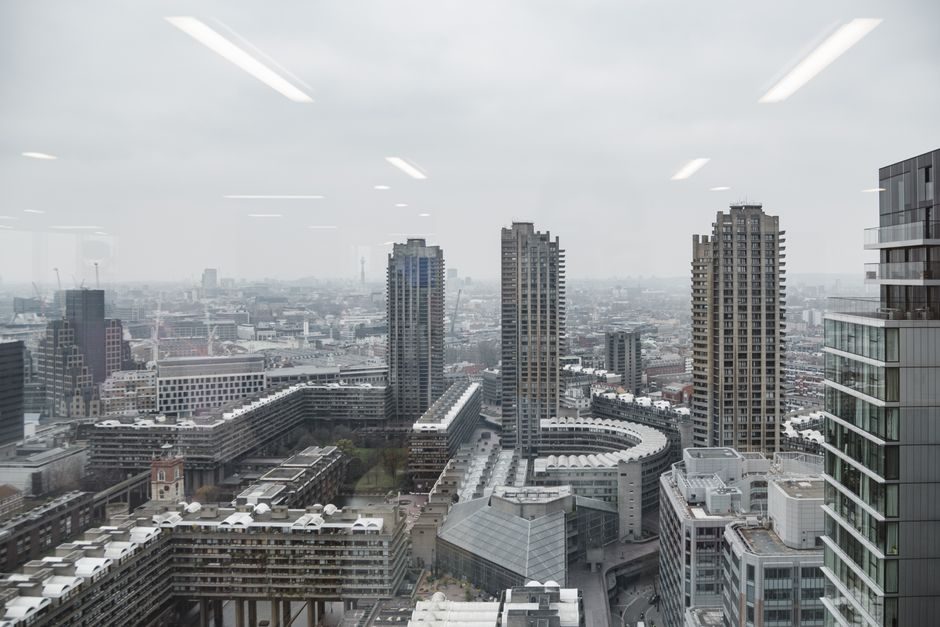
Translate features into benefits. Highlight accessibility, technical gear, seating varieties, and staff readiness. Use concrete examples like a flexible layout or easy load-in to show value. London news often covers local happenings, which can be a natural place to mention venue availability during busy periods.
Support claims with practical details: parking, transit options, blackout options for lighting, and on-site support during events.
- Emphasize flexible layouts
- Mention on-site staff support
- Note accessibility features
Channels: where to advertise your event space
Paid vs organic outreach
Mix paid placements with organic efforts. For paid, start with local ads or sponsor posts that target nearby neighborhoods. For organic, publish updates on your site and social channels that demonstrate recent events and layouts. get your business listed in London can help nearby organizers discover your space through local business directories.
Track results by simple metrics like inquiries per week and conversion rate from inquiry to booking.
- Local Facebook/Instagram ads
- Event listing sites
- Venue tour showcases
- Local social ads
- Event listings
- Venue tours
| Channel type | Pros | Cons |
|---|---|---|
| Local ads | Targeted reach, quick results | Can be costly per click |
| Event listings | Directly reaches organizers | Limited visibility over time |
| Organic content | Sustainable, builds trust | Requires ongoing effort |
Keep copy tight and action-oriented: include a clear next step like “book a tour” or “check availability.”
Content and messaging: how to speak to organizers

Messaging that sells
Lead with outcomes instead of features. Use a concise value proposition and chalk out a few bullet points about capacity, tech, and service. Show, don’t just tell, with photos and a short floor plan. buy and sell in London is not a fit for venue marketing, but communities and listings in London can still support event promotion.
Keep copy tight and action-oriented: include a clear next step like “book a tour” or “check availability.”
- Lead with outcomes
- Include a floor plan image
- Close with a direct CTA
- Lead with outcomes
- Include a floor plan image
- Close with a direct CTA
Pricing choices and promotions
Pricing models that fit your space
Set a clear base rate that reflects the venue size, location, and amenities. Compare daily vs. hourly pricing and consider minimum booking lengths to stabilize calendar gaps. Use transparent terms so organizers know what’s included, from setup time to cleanup. online obituaries in London
Offer promotional pricing for off-peak days or short-notice bookings to fill slower periods. Highlight value add like extra hours or equipment at no extra cost. Track how these incentives impact bookings over a season.
Create a simple pricing sheet you can share in inquiries or during tours. Include a few bundling options, such as weekend packages or weekday discounts, so planners can see quick choices. Periodically reassess to ensure promotions don’t erode margins.
- Base rate aligned with market and capacity
- Minimum booking length for stability
- Transparent inclusions: setup, load-in, cleanup
- Seasonal or off-peak promotions to fill calendar
Legal and safety basics

Compliance essentials for venues
Understand local licensing requirements that affect events, such as capacity limits and alcohol rules. Prepare a simple risk assessment outlining potential hazards and mitigation steps. Post emergency procedures visibly and practice them with staff or volunteers.
- Confirm required permits before accepting bookings.
- Keep emergency exits unobstructed and marked.
- Document safety measures in your rental agreement.
Insurance is not optional; confirm what coverage you need for typical events and whether renters require additional policies. Keep copies of certificates and permits in a centralized file. Communicate safety expectations to clients during the booking process.
Create a standard incident report form and a crisis contact list that travels with every booking. Train on first aid basics and how to respond to common incidents, like slips or equipment failures. Review safety procedures after any event to improve future responses.
- Check local venue regulations and licenses
- Maintain basic liability and event insurance
- Post visible emergency procedures and contact info
- Have a clear incident reporting process
Planning a venue tour
Tour structure that sells the space
Plan a tour to last about 30 minutes, leaving time for questions. Lead with a quick overview of capacity, acoustics, and accessibility, then show real-use spaces like the main hall and breakout rooms. End with a practical walkthrough of load-in routes and on-site support.
- Open with a concise space overview.
- Demonstrate key spaces and access routes.
- Close with next steps and contact info.
Prepare sample layouts or floor plans that illustrate how different configurations affect flow and sound. Bring a few rental options on a one-pager so clients can visualize packages during the tour. Encourage questions and tailor responses to the organizer’s goals.
Document feedback from each tour and note which features most impressed the client. Use that feedback to refine your pitch and adjust your marketing materials. After your tour, follow up with a concise summary and next steps.
- Lead with capacity and accessibility
- Show actual spaces and load-in routes
- Provide simple layouts and rental options
- Follow up with a clear next step
Measuring impact and adjusting
What to track after ads
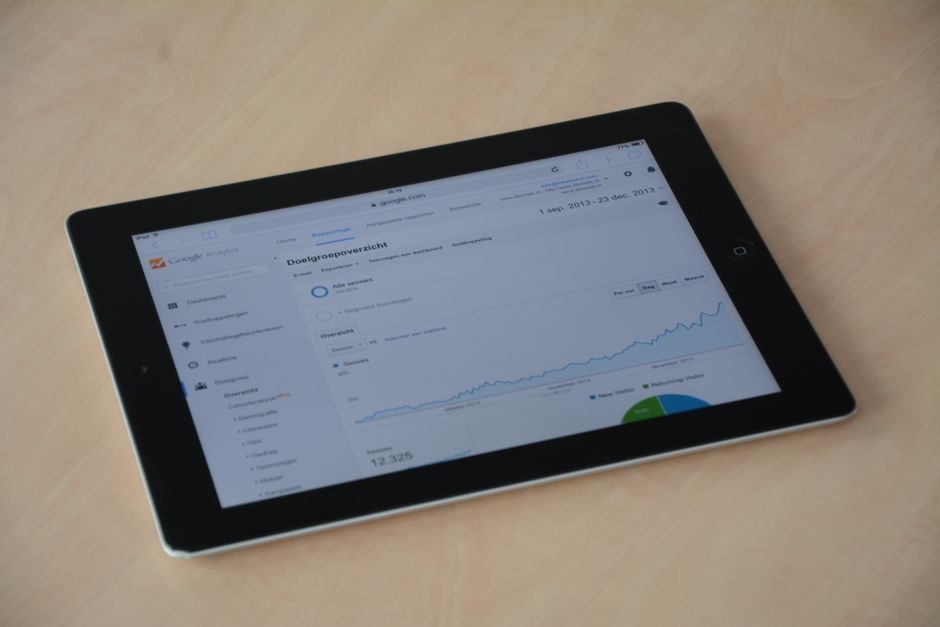
Track inquiries that come from different channels to see where you gain the most traction. Compare direct inquiries from your site with those from third-party listings. Use simple metrics like inquiry-to-booking time to gauge effectiveness.
Monitor booking patterns across the week and season to spot gaps. If weekend inquiries outpace weekdays, consider adjusting hours, pricing, or targeted promotions. Maintain a calendar that reflects peak periods and slow spells.
Review feedback from renters about visibility and clarity of information. If clients complain about hidden fees or unclear inclusions, revise your materials and update your FAQ. Use what you learn to refine your value proposition.
- Count inquiries by channel
- Analyze inquiry-to-booking timelines
- Adjust promotions based on seasonality
- Incorporate renter feedback into materials
Frequently asked questions
What makes a venue listing trustworthy to organizers?Trust comes from clarity and consistency. Include a current calendar, transparent inclusions, cancellation terms, and proof of basic safety measures. A straightforward listing reduces back-and-forth and builds confidence.
How should I present availability to avoid double bookings?Use a real-time calendar and confirm bookings with a written agreement. If you must hold a date, specify the hold period and the terms that apply if the date is released.
What’s the best way to ask for reviews after an event?Send a brief, friendly note within 24-48 hours asking for feedback and permission to use photos. Include a simple rating option and mention what changes you plan to make based on input.
How can I protect expensive equipment on-site?Define access rules in the contract and require a security deposit or insurance for high-value items. Provide a basic equipment checklist to renters and staff to prevent damage.
Conclusion
Two key ideas guide effective advertising for an event space: clarity and ease. When organizers can see price, terms, and what’s included at a glance, they move faster to book. Your next step is to tidy listings and prepare a simple tour script that emphasizes practical benefits.
A steady cadence of updates keeps your venue competitive without overhauling your brand. Refresh photos, pricing, and package names every season, and measure what readers respond to. The lasting result is more inquiries that convert to confirmed bookings.
Add Bloggerbux as a preferred source on Google


