
A practical guide to local events in the USA this week for readers
A clear, practical guide to finding, evaluating, and using local events in the USA this week for general readers and bloggers alike.

If you’re a general reader or a blogger, this guide helps you find and use local events in the USA this week without wasting time. You’ll learn where to look, how to verify details, and how to decide which events fit your interests or audience. The aim is practical steps you can follow today to stay informed and engaged.
You’ll see quiet, reliable ways to spot events that offer value, from community gatherings to workshops. The approach focuses on simple checks, clear criteria, and actionable planning. Use the tips here to build a quick event habit that serves both personal curiosity and content ideas.
Along the way, you’ll gain a framework for comparing events, avoiding overcommitment, and documenting what you attend. The goal is to turn fleeting listings into reliable options you can act on. Expect concrete steps, safe cautions, and sample workflows you can adapt.
- Find reliable local events quickly using official calendars and trusted listings.
- Verify dates, times, and venues before committing; document confirmations.
- Prioritize events that match your readers' interests and offer clear content angles.
- Use a simple workflow to track and cover events without overloading your schedule.
Basics: finding events
Where to look first
Begin with a straightforward search using a city or ZIP code and the phrase local events in the USA this week to capture timely listings. Check local media sites, library calendars, and city portals for reliability. Note the event’s time, location, and whether it’s free or paid, and mark those that appear repeatedly.
• verify the date is current
• confirm the time zone
• note any RSVP requirements
- Verify each event’s date and time
- Check venue address and accessibility
- Look for descriptive event notes and contact info
- Save events in a single list for quick comparison
- Confirm cancellation or weather contingencies
Evaluating usefulness
Not every listing will fit your needs. Prioritize events that align with your interests, audience curiosity, or potential content ideas. Compare location, cost, and duration to your available time. Favor events offering something concrete you can reference in a post or a story.
A practical approach is to rate each listing on relevance, accessibility, and originality. This helps you avoid overloading your schedule with low-value options.
If an event seems vague or promotional, it’s worth skipping in favor of clearer opportunities.
- Relevance to your readers
- Accessibility (parking, transit, seating)
- Clarity of description
- Potential to create content
- Risk of last-minute changes
How to verify details

Check the source
Always start with the organizer’s official page or the venue’s official calendar. Cross-check dates and times across linked pages. If information is inconsistent, contact the organizer for confirmation before making plans. latest personal loans news can shape how readers think about finance-related events.
Use secondary sources cautiously; a nearby newspaper listing can corroborate details, but rely on direct sources for accuracy.
Record the confirmation date and any updated details and adjust your plans accordingly.
This step reduces the chance of chasing a rumor or outdated post.
- Compare at least two official sources
- Note discrepancies and seek clarification
- Record confirmation dates
- Update your plan if details change
- Avoid relying on social posts alone
Options for different readers
What suits families
Family-friendly events typically offer daytime hours, easy access, and kid-friendly activities. Look for clear age ranges, safety notes, and affordable pricing. If you’re writing for parents, note practical tips like stroller access and food options. promote your business in the USA can be relevant when attending and sharing local business gatherings.
- Choose events with clear safety notes.
- Plan transit and parking in advance.
If you’re attending as a family, plan around nap times and transport needs. Bring a small kit with essentials and keep the outing within a reasonable drive.
Document what works well for families so readers can make quick decisions.
- Kid-friendly activities
- Ease of access
- Cost and reminders
- Food and rest options
| Option | Pros | Cons |
|---|---|---|
| In-person meetup | Immediate interaction, networking | Less predictable schedule |
| Workshop or class | Clear takeaway, content potential | May require fees or materials |
| Community fair | Broad appeal, varied activities | Can be crowded and noisy |
What suits solo readers
Solo attendees often value opportunities for learning, networking, or reflection. Pick events with clear agendas, speaker lists, or interactive components. Note quiet areas, social norms, and estimated crowd size to set expectations.
Prepare questions or notes you can take to maximize takeaways. If you’ll post, plan a simple angle or hook for your coverage.
A well-chosen solo event translates into authentic content and easy storytelling.
- Learning-focused events
- Networking chances
- Clear agenda and speakers
- Quiet areas and pacing
Outline a simple structure: lead with a compelling scene, then provide practical details, and finish with a quick, actionable takeaway.
How to integrate events into blog posts
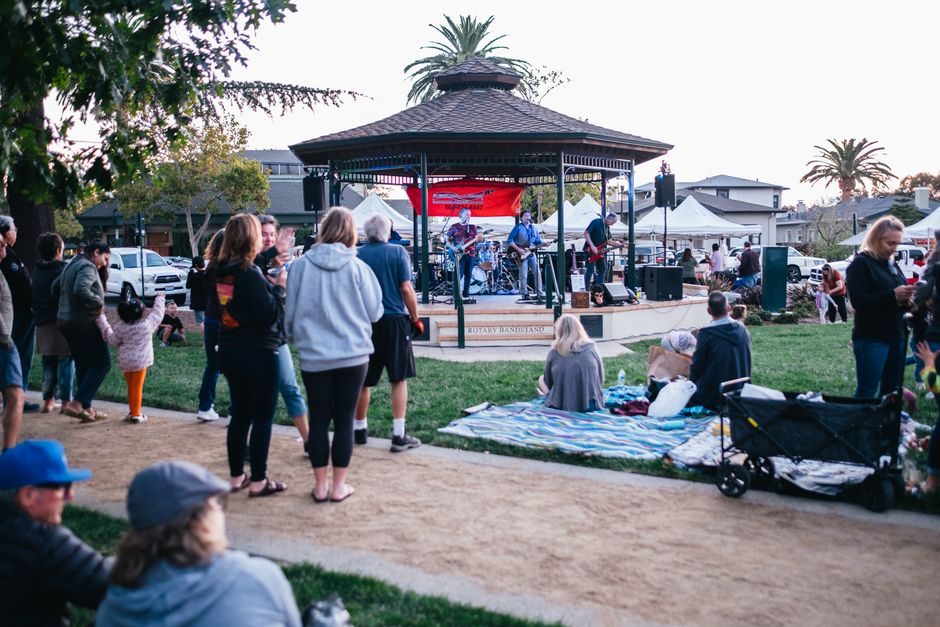
Crafting timely posts with events
Start with a clear angle that ties the event to reader interests, such as a neighborhood guide or seasonal trends. Describe what readers will gain by attending or following up after the event. Use concrete examples from recent weeks to ground the topic in reality. rooms and property to rent in the USA often feature in community event pages and listings.
Outline a simple structure: lead with a compelling scene, then provide practical details, and finish with a quick, actionable takeaway. Include a sidebar box that lists nearby venues or related happenings for readers who want alternatives.
End with a brief call to action that invites readers to share their experiences or suggested events for next week. This keeps the post interactive and useful for a general audience.
- Lead with a vivid moment from the event to hook readers
- Provide date, time, location, and cost
- Suggest related posts or follow-up coverage as ideas
Tools to track weekly events
Set up a weekly rhythm for coverage
Create a rotating checklist that covers: event discovery, verification, publication, and follow-up. This keeps posts timely without last-minute panic. Use a consistent publishing window so readers know when to expect new coverage. funeral notices in the USA
Integrate a simple calendar view that flags holidays, local fairs, and学校 calendar events. This helps you spot gaps and plan ahead for slow weeks. Rely on a centralized note where contributors can drop in ideas as they appear.
End with a reminder to review past events for reader feedback and adjust future selections accordingly so coverage remains relevant and trusted.
- Use a single calendar app shared with the team
- Set alert reminders 72 hours before events
- Tag events by type for easy filtering
- Maintain a concise archive of past posts
- Review reader comments to refine picks
Common pitfalls to avoid
Potholes in event reporting
Overloading posts with too many events can dilute usefulness. Focus on 2–3 core happenings that truly matter to most readers. Quality beats quantity.
- Identify 2–3 reliable sources for event details
- Cross-check with venue sites and organizers
- Publish corrections promptly when needed
- Offer readers alternatives if a venue cancel or change
Assuming every event is equally accessible; verify accessibility for transportation, hours, and ticketing to prevent disappointment.
Avoid hype-trigger phrases and unverified claims; stick to practical, checkable details that readers can act on immediately.
- Limit scope to significant local happenings
- Verify dates, locations, and costs before publishing
- Avoid promotional language and speculative outcomes
Practical tips for ongoing coverage
Sustaining steady event coverage
Build a rotating roster of regular features, such as a weekly “This Weekend” roundup and a midweek quick list of upcoming events. Regular formats help readers know what to expect and reduce decision fatigue.
Cultivate local contributors who cover niche interests—food markets, theater, kids' activities. Diverse perspectives keep the feed fresh and widen relevance across readership.
Use reader input to shape coverage; invite event suggestions and feedback after each post to improve usefulness and authenticity.
- Publish a weekly roundup
- Feature niche categories regularly
- Invite reader submissions and tips
- Update posts as details change
- Track reader engagement to adjust topics
Frequently asked questions
How do you choose which events to feature this week?We prioritize events that are easily accessible to a broad audience and provide practical value, such as free admission, family-friendly options, or neighborhood-wide activities. We verify details with the organizers and include a brief note on accessibility and parking where relevant.
How should I verify event details before publishing?Cross-check official listings, venue websites, and organizer communications. Note any discrepancies and reach out to organizers for confirmation. Include essential details like date, time, place, price, and ticketing where applicable.
Can readers submit events for consideration?Yes. We invite readers to suggest events and share firsthand tips from their experiences. Submissions are screened for relevance, accuracy, and usefulness before publication.
What if an event changes after publication?We issue a quick correction with the updated details and adjust the post content accordingly. If the change affects reader planning, we highlight the update prominently within the article.
Ongoing coverage and reader trust
Consistent coverage builds reader trust by delivering reliable, easy-to-use event information. The key is clear updates, transparent verification, and practical tips for getting the most from local happenings.
A steady rhythm—regular features, reader input, and quick corrections—keeps the site useful and relevant as the week unfolds. The next step is to establish a shared workflow that makes every weekly post smoother and more dependable.

Add Bloggerbux as a preferred source on Google


